

Hey there, fellow shooting enthusiasts! As a supplier of 308 Tactical Rifle Scopes, I get a ton of questions from customers. One question that pops up quite often is whether these scopes are resistant to chemical damage. Well, let's dig into this topic and find out what's what.
First off, let's talk about what 308 Tactical Rifle Scopes are. 308 Tactical Rifle Scopes are high - end scopes designed for precision shooting with .308 caliber rifles. They're used in a variety of scenarios, from hunting to tactical operations. These scopes need to be tough because they're often exposed to all sorts of harsh conditions.
Now, when it comes to chemical damage, there are a few different types of chemicals that scopes might come into contact with. For example, in a hunting environment, scopes can get dirty with things like blood, dirt, and plant sap. In a tactical situation, they could be exposed to more dangerous chemicals like cleaning solvents, fuels, or even some types of chemical agents used in combat.
Let's start with the materials used in 308 Tactical Rifle Scopes. Most high - quality scopes have an outer body made of durable metals like aluminum or steel. These metals are generally pretty resistant to a lot of common chemicals. Aluminum, for instance, forms a thin oxide layer on its surface when exposed to air. This layer acts as a protective barrier, preventing many chemicals from corroding the metal. Steel can also be treated to make it more resistant to corrosion. For example, some scopes use stainless steel, which contains chromium. Chromium helps form a passive film on the steel surface that resists oxidation and chemical attack.
The lenses in these scopes are another story. Lenses are usually made of glass, which is quite resistant to many chemicals. However, they're often coated with various anti - reflection, scratch - resistant, and hydrophobic coatings. These coatings are what can be vulnerable to chemical damage. For example, strong cleaning solvents can strip away these coatings, which can affect the optical performance of the scope. If you use a solvent that's too harsh, it might make the lenses look hazy or reduce the clarity of the image.
Blood is a common contaminant in hunting. While it might seem like a simple organic substance, it can actually cause problems if left on the scope for too long. Blood contains enzymes and salts that can corrode the metal parts of the scope over time. It can also stain the lenses and their coatings. But if you clean the scope properly and in a timely manner, you can prevent any serious damage.
Plant sap is another issue. Some plants produce sticky, resinous saps that can be difficult to remove. These saps can contain acids and other chemicals that might damage the scope's finish. If you don't clean the sap off soon enough, it can harden and become even more difficult to remove, potentially causing scratches when you try to scrape it off.
In a tactical environment, things get a bit more serious. Cleaning solvents used to clean firearms are often strong and can be harmful to scopes. Many solvents contain chemicals like acetone, alcohol, or ammonia. These chemicals can dissolve the coatings on the lenses and damage the seals that keep the scope waterproof and fog - proof. Fuels like gasoline or diesel can also be a problem. If a scope gets splashed with fuel, it can damage the plastic and rubber components, as well as the metal parts if the fuel contains corrosive additives.
So, are 308 Tactical Rifle Scopes resistant to chemical damage? The answer is a bit of a yes and no. The metal bodies are generally pretty resistant to many common chemicals, but the lenses and their coatings are more vulnerable. The good news is that most manufacturers of high - quality scopes take steps to make their products as resistant as possible. They use high - quality materials and advanced manufacturing processes to ensure that the scopes can withstand a certain amount of chemical exposure.
For example, some scopes are treated with special chemical - resistant coatings on the outside. These coatings can protect the metal from corrosion and make it easier to clean off contaminants. The lenses are also designed to have more durable coatings that can resist minor chemical exposure. But it's still important to take proper care of your scope.
Here are some tips on how to protect your 308 Tactical Rifle Scope from chemical damage:
- Use the right cleaning products. Don't use harsh solvents on your scope. Instead, use cleaning solutions specifically designed for optical equipment. These solutions are usually milder and won't damage the coatings on the lenses.
- Clean your scope regularly. After a hunting trip or a tactical operation, make sure to clean your scope as soon as possible. This will prevent contaminants from building up and causing damage.
- Store your scope properly. Keep it in a dry, clean place away from chemicals. If you're storing it for a long time, you might want to use a protective case.
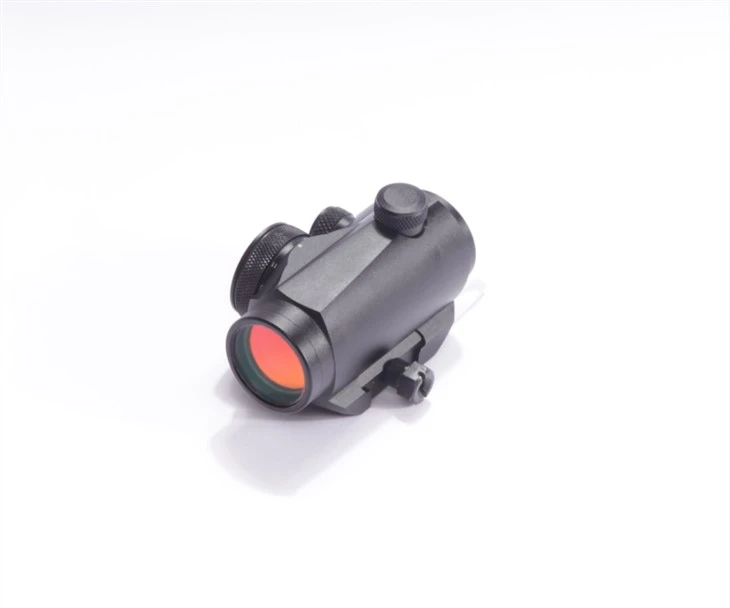
Now, if you're in the market for a 308 Tactical Rifle Scope, we also offer other types of scopes like Pistol Tactical Rifle Scopes and Optic Sights Tactical Rifle Scopes. These scopes also have similar considerations when it comes to chemical resistance.
If you're interested in purchasing any of our high - quality tactical rifle scopes, whether it's a 308 Tactical Rifle Scope or something else, we're here to help. We can provide you with detailed information about the scopes, their chemical resistance, and how to take care of them. Just reach out to us for a friendly chat and we can start the procurement process together.
References:

- "Optical Engineering Handbook" - A comprehensive guide on optical equipment and their properties.
- Manufacturer's specifications of various 308 Tactical Rifle Scopes.
- Research papers on the chemical resistance of metals and optical coatings.


