As a supplier of M4 Tactical Rifle Scopes, I often encounter questions from customers about the reticle patterns of these scopes. The reticle pattern is a crucial component of a rifle scope, as it directly affects the shooter's aiming accuracy, target acquisition speed, and overall shooting experience. In this blog post, I will delve into the various reticle patterns used in M4 tactical rifle scopes, explaining their features, advantages, and suitable applications.
Basic Understanding of Reticle Patterns
A reticle, also known as a crosshair, is a pattern of fine lines or markings inside the rifle scope's eyepiece. These markings help the shooter to aim at the target accurately. Different reticle patterns are designed to meet various shooting needs, such as long - range shooting, close - quarter combat, and hunting.
Popular Reticle Patterns for M4 Tactical Rifle Scopes
Duplex Reticle
The duplex reticle is one of the most common reticle patterns. It consists of thick outer lines that thin out near the center, forming a crosshair. The thick outer lines are useful for quick target acquisition, especially in fast - paced shooting scenarios. When aiming, the shooter can quickly align the target with the thinner center of the reticle for more precise aiming.

This reticle pattern is simple and easy to use, making it a great choice for novice shooters. It also doesn't clutter the field of view, allowing the shooter to focus on the target. For M4 tactical rifle scopes used in close - quarter combat or general shooting, the duplex reticle can provide a reliable aiming solution.
Mil - Dot Reticle
The [Mil Dot Tactical Rifle Scopes](/rifle - scopes/tactical - rifle - scope/mil - dot - tactical - rifle - scopes.html) feature a mil - dot reticle, which is widely used in long - range shooting and military applications. The mil - dot reticle has small dots placed at specific intervals along the horizontal and vertical crosshairs. Each dot represents a specific angular measurement, usually one milliradian (mil).
The advantage of the mil - dot reticle is its ability to estimate the range to the target. By comparing the size of the target with the spacing between the dots, the shooter can calculate the distance to the target. Additionally, it can be used for windage and elevation adjustments. However, using a mil - dot reticle requires some training and practice to master the calculations.
BDC (Bullet Drop Compensator) Reticle
A BDC reticle is designed to compensate for the bullet drop at different distances. It has markings below the center crosshair that correspond to specific distances. For example, a BDC reticle might have markings for 100 yards, 200 yards, 300 yards, and so on.
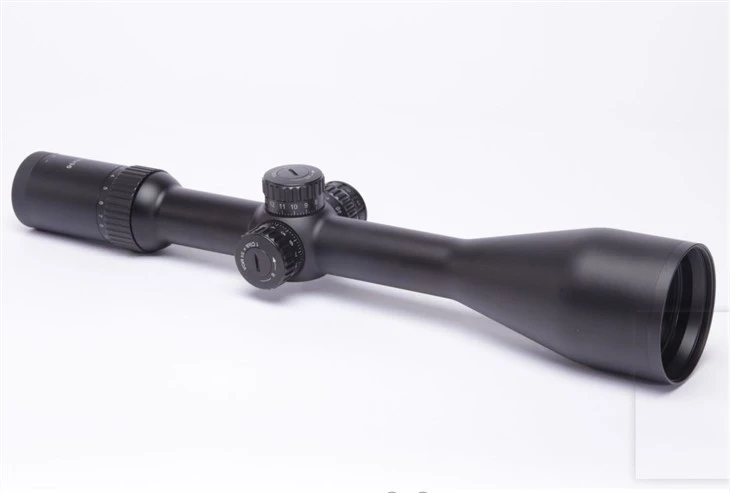
When shooting at different distances, the shooter can simply align the target with the appropriate marking on the reticle instead of making complex elevation adjustments. This reticle pattern is very useful for hunters and shooters who need to quickly engage targets at varying distances. It simplifies the shooting process and allows for more rapid follow - up shots.
Christmas Tree Reticle
The Christmas tree reticle, also known as a hash - marked reticle, has a series of horizontal and vertical hash marks. These marks are used for both windage and elevation adjustments. The vertical marks are used to compensate for bullet drop at different distances, while the horizontal marks are used to adjust for wind drift.
This reticle pattern provides a high level of precision in long - range shooting. It allows the shooter to make quick and accurate adjustments without having to refer to external charts or perform complex calculations. However, like the mil - dot reticle, it requires some training to use effectively.
First Focal Plane (FFP) vs. Second Focal Plane (SFP) Reticles
When discussing reticle patterns, it's important to mention the difference between First Focal Plane (FFP) and Second Focal Plane (SFP) reticles.
In a FFP scope, the reticle is located in the first focal plane, which means that the size of the reticle changes proportionally with the magnification of the scope. This is beneficial because the reticle's measurements, such as the mil - dot spacing in a mil - dot reticle, remain accurate at all magnifications. However, FFP scopes are generally more expensive.
On the other hand, in an SFP scope, the reticle is located in the second focal plane. The size of the reticle remains constant regardless of the magnification. This makes the scope simpler and more affordable. However, the reticle's measurements are only accurate at a specific magnification, usually the highest magnification.
Our [Extremely Wide Angle FFP SFP Tactical Rifle Scopes](/rifle - scopes/tactical - rifle - scope/extremely - wide - angle - ffp - sfp - tactical - rifle.html) offer both FFP and SFP options, allowing customers to choose according to their specific needs and budgets.
Considerations When Choosing a Reticle Pattern
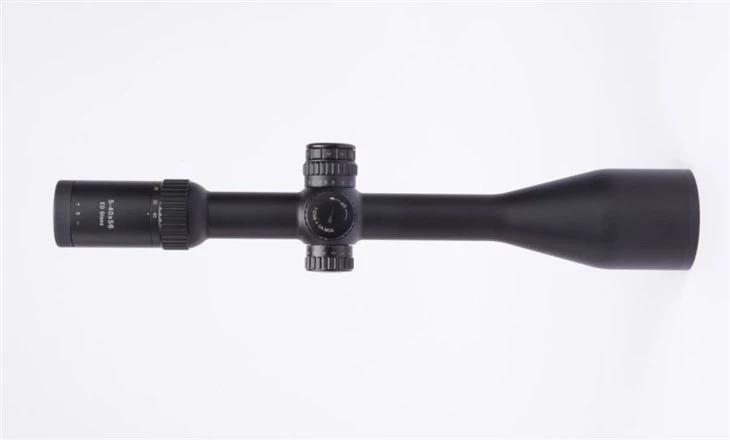
When selecting a reticle pattern for an M4 tactical rifle scope, several factors should be taken into account:
Shooting Environment
If you are mainly shooting in close - quarter environments, such as indoor shooting ranges or urban combat scenarios, a simple duplex reticle may be sufficient. For long - range shooting in open fields or hunting in large areas, a mil - dot, BDC, or Christmas tree reticle might be more appropriate.
Shooting Experience
Novice shooters may find a duplex or simple BDC reticle easier to use, as they don't require complex calculations. Experienced shooters, on the other hand, may prefer more advanced reticle patterns like the mil - dot or Christmas tree reticle for their precision and versatility.
Budget
Some reticle patterns, especially those with advanced features like FFP and complex markings, can be more expensive. It's important to balance your budget with your shooting needs when making a decision.
Centerfire Tactical Rifle Scopes
Our [Centerfire Tactical Rifle Scopes](/rifle - scopes/tactical - rifle - scope/centerfire - tactical - rifle - scopes.html) come with a variety of reticle patterns to meet different customer requirements. Whether you are a professional shooter, a hunter, or a recreational shooter, we have the right scope for you.
We understand that each shooter has unique needs, and that's why we offer a wide range of options. Our scopes are made with high - quality materials and advanced manufacturing techniques to ensure durability, accuracy, and reliability.
Contact Us for Procurement
If you are interested in purchasing M4 tactical rifle scopes or have any questions about our products, please feel free to contact us. We are always ready to provide you with detailed information and assist you in making the right choice. Our team of experts can offer professional advice based on your shooting needs and preferences.
References
- "The Complete Guide to Rifle Scopes" by John Smith
- "Advanced Shooting Techniques" by David Johnson
- Manufacturer's specifications and documentation for M4 tactical rifle scopes.