Hey there, fellow shooting enthusiasts! As a supplier of Tactical Red Dot Scopes, I've gotten tons of questions about the differences between tactical red dot scopes and regular scopes. So, I thought I'd sit down and write this blog to clear things up.
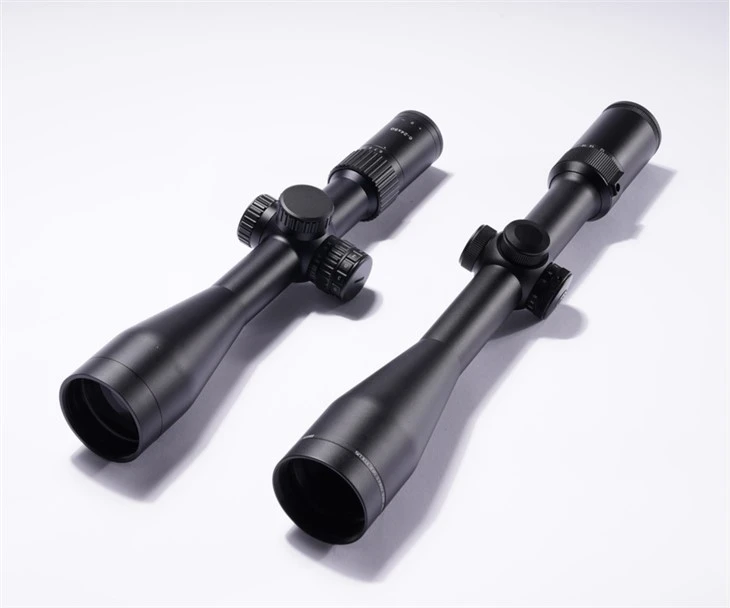
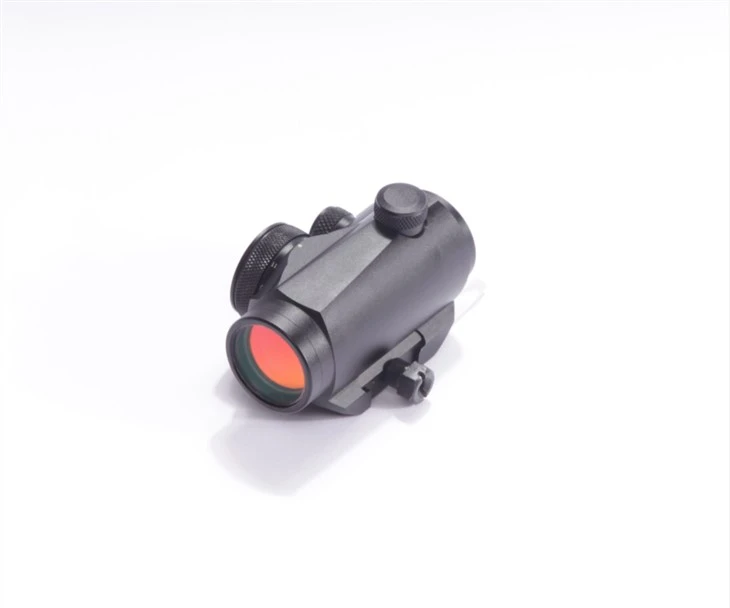
Let's start with the basics. What exactly is a tactical red dot scope? Well, it's a type of non - magnifying sight that uses a red dot projected onto a glass lens to help you aim. It's super popular among military, law enforcement, and competitive shooters. On the other hand, a regular scope usually has some level of magnification, which can range from a few times to a really high power, like 20x or more.
Speed of Acquisition
One of the biggest differences between the two is the speed of target acquisition. With a tactical red dot scope, you can acquire your target really fast. All you have to do is look through the scope, and the red dot will be right there on your target. It's a one - step process. You don't have to worry about aligning crosshairs precisely or getting the right magnification. This makes it ideal for close - range shooting where speed is crucial. For example, in a self - defense situation or a fast - paced shooting competition, a red dot scope can give you a significant edge.
In contrast, a regular scope often requires more time to set up. You might need to adjust the magnification to get the right view of your target. And if the target is moving quickly, it can be a real challenge to keep up. You have to make sure the crosshairs are lined up perfectly, which can take a few extra seconds. These seconds can be the difference between hitting your target and missing it, especially in high - pressure situations.
Field of View
The field of view is another important factor. Tactical red dot scopes typically offer a wide field of view. This means you can see a large area around your target while still having the red dot on it. You're not tunnel - visioned like you might be with a high - powered regular scope. This wide field of view is great for situational awareness. You can keep an eye on what's happening around you while you're aiming at your target. It's especially useful in dynamic shooting scenarios where there could be multiple threats or distractions.
Regular scopes, especially those with high magnification, usually have a narrower field of view. When you're looking through a 10x or 20x scope, you're really zoomed in on your target. While this can be great for long - range shooting where you need to see fine details, it also means you're missing out on what's going on around you. You might not notice another target approaching from the side or a change in the environment that could affect your shot.
Magnification
As I mentioned earlier, magnification is a key difference. Tactical red dot scopes are non - magnifying. They simply project a red dot on your target. This lack of magnification can be an advantage in some situations. For example, if you're shooting at a close - range target, you don't need magnification. In fact, magnification can sometimes make it harder to aim at close - range targets because it can distort your view or make the target appear too large in the scope.
Regular scopes come with various levels of magnification. Low - power scopes, like 2x or 3x, are good for mid - range shooting. They give you a bit of an advantage over the naked eye by making the target look a little closer. High - power scopes, on the other hand, are designed for long - range shooting. They can make a target that's hundreds of yards away look like it's right in front of you. But with high magnification comes some drawbacks. The image can be less clear, and the scope can be more difficult to hold steady.
Accuracy
Accuracy is a complex topic when comparing these two types of scopes. In close - range shooting, a tactical red dot scope can be very accurate. Since it's easy to acquire the target quickly and the red dot is right on it, you can make accurate shots with minimal effort. And because you have a wide field of view, you can make adjustments on the fly if the target moves.
For long - range shooting, a regular scope is generally more accurate. The magnification allows you to see small details on the target, like the size of a small animal's vital organs or the markings on a long - distance target. You can also use the scope's adjustments, like windage and elevation, more precisely at longer ranges. However, achieving that accuracy requires more skill and practice. You have to account for factors like bullet drop, wind drift, and the stability of your shooting position.
Durability
When it comes to durability, both types of scopes can be built to last. But tactical red dot scopes are often designed to be rugged. They're made to withstand the rigors of military and law enforcement use. They can handle being dropped, banged around, and exposed to harsh environments. Many red dot scopes are waterproof, shockproof, and fog - proof. This means you can use them in all kinds of weather conditions without worrying about damage.
Regular scopes also come in different levels of durability. High - quality regular scopes are built to be tough, but some of the more delicate high - magnification scopes can be more prone to damage. The internal components of a high - power scope can be more sensitive to shock and vibration. And if you're using a scope with a lot of moving parts for magnification adjustment, there's a higher chance of something going wrong.
Price
Price is always a consideration. Tactical red dot scopes can range in price from relatively affordable to quite expensive. There are some entry - level red dot scopes that you can get for a couple of hundred dollars. These can be great for beginners or those on a budget. On the other hand, high - end red dot scopes with advanced features, like multiple brightness settings and high - quality lenses, can cost several hundred dollars or more.
Regular scopes also have a wide price range. Low - power scopes can be relatively inexpensive, similar to some red dot scopes. But high - power, high - quality regular scopes can be very expensive. A top - of - the - line long - range scope can cost thousands of dollars. So, depending on your budget and your shooting needs, you'll have to decide which type of scope is right for you.
Applications
The applications for these scopes are quite different. Tactical red dot scopes are commonly used in close - range shooting scenarios. They're popular in self - defense, home defense, and close - quarters combat. They're also widely used in shooting sports like 3 - gun competitions, where speed and quick target acquisition are essential. You can check out our Pistol Tactical Rifle Scopes for some great options for pistol - mounted red dot scopes.
Regular scopes are more suited for long - range shooting. They're used by hunters who need to take accurate shots at game from a distance. They're also used in long - range shooting competitions and military sniping. If you're interested in long - range shooting, our Side Focus Tactical Rifle Scopes and Tactical Rifle Scopes with Illumiated Reticle can provide you with the features you need for precise long - range shooting.
Conclusion
So, there you have it, the main differences between tactical red dot scopes and regular scopes. Each type of scope has its own strengths and weaknesses, and the right choice depends on your shooting needs, skill level, and budget. If you're into fast - paced, close - range shooting, a tactical red dot scope is probably the way to go. But if you're a long - range shooter, a regular scope with the right magnification is what you need.
If you're interested in purchasing a tactical red dot scope or learning more about our products, feel free to reach out. We're always happy to help you find the perfect scope for your needs. Whether you're a professional shooter or just starting out, we've got the expertise and the products to support you.
References
- "The Shooter's Bible Guide to Scopes and Optics"
- Various industry reports on shooting equipment trends