

In the high - stakes world of tactical operations, a reliable and high - quality rifle scope can be the difference between success and failure. As a seasoned supplier of tactical rifle scopes, I've witnessed firsthand how the lens quality within these scopes can have a profound impact on the resulting image. In this blog, I'll delve into the various aspects of lens quality and explain how they shape the image in a tactical rifle scope.
1. Clarity and Sharpness
The most obvious way lens quality affects the image is through clarity and sharpness. High - quality lenses are made from premium optical glass, which has a high refractive index and low dispersion. This means that light passing through the lens is bent and focused more accurately, resulting in a clear and sharp image.
When a shooter looks through a scope with poor - quality lenses, they may notice a blurry or hazy image. This can make it difficult to identify targets, especially at long distances. For example, if a tactical operator is trying to spot a small target in a low - light environment, a scope with clear and sharp lenses will allow them to see the target more clearly, increasing their chances of a successful shot.
Our Mil Dot Tactical Rifle Scopes are equipped with top - of - the - line lenses that provide exceptional clarity and sharpness. These scopes are designed to meet the rigorous demands of tactical operations, ensuring that every detail of the target is visible.
2. Color Accuracy
Another important aspect of lens quality is color accuracy. A good lens should transmit light without distorting the colors of the image. This is crucial in tactical situations where the ability to accurately identify colors can be a matter of life and death.
Low - quality lenses may introduce color fringing or cast a tint over the image. For instance, a scope with a yellowish tint can make it difficult to distinguish between different colors, such as the colors of a target's clothing or equipment. In contrast, high - quality lenses maintain the true colors of the scene, allowing the shooter to make more informed decisions.
Our Extremely Wide Angle FFP SFP Tactical Rifle Scopes are engineered to provide accurate color representation. The advanced lens coatings and materials used in these scopes ensure that the colors in the image are as true to life as possible, enhancing the shooter's ability to identify targets and their surroundings.
3. Light Transmission
Light transmission is a critical factor in the performance of a tactical rifle scope. In low - light conditions, such as dawn, dusk, or indoors, a scope with high light - transmission capabilities can make all the difference.
High - quality lenses are designed to minimize light loss as it passes through the scope. This is achieved through the use of anti - reflective coatings on the lens surfaces. These coatings reduce the amount of light that is reflected off the lenses, allowing more light to reach the shooter's eye. As a result, the image appears brighter and more detailed.
Poor - quality lenses, on the other hand, may have inadequate coatings or use lower - grade materials, which can lead to significant light loss. This can make the image appear dark and grainy, especially in low - light situations.
Our Ar Tactical Rifle Scopes feature state - of - the - art lens coatings that maximize light transmission. Whether you're in a dimly lit alleyway or a forest at twilight, these scopes will provide a bright and clear image, giving you the edge in any tactical situation.
4. Contrast
Contrast is the difference between the lightest and darkest parts of an image. A high - contrast image makes it easier to distinguish between different objects and details in the scene. Lens quality plays a significant role in determining the contrast of the image in a tactical rifle scope.
High - quality lenses are able to enhance contrast by reducing glare and internal reflections. Glare can wash out the details in an image, making it difficult to see the target clearly. Internal reflections can also cause ghost images or reduce the overall sharpness of the image.
By using high - quality materials and advanced manufacturing techniques, our scopes are able to minimize glare and internal reflections, resulting in a high - contrast image. This allows the shooter to see the target more clearly, even in challenging lighting conditions.
5. Resistance to Environmental Factors
Tactical operations often take place in harsh environments, where the rifle scope may be exposed to dust, moisture, and extreme temperatures. The quality of the lenses can affect their resistance to these environmental factors.
High - quality lenses are typically made from durable materials and are treated with special coatings to protect them from scratches, moisture, and other contaminants. For example, a scope with lenses that are coated with a hydrophobic material will repel water, preventing it from forming droplets on the lens surface and obscuring the image.
In addition, high - quality lenses are more resistant to thermal shock. This means that they can withstand rapid changes in temperature without cracking or fogging up. This is especially important in tactical situations where the scope may be moved quickly from a cold environment to a warm one, or vice versa.
6. Distortion and Aberration
Distortion and aberration are optical defects that can affect the quality of the image in a rifle scope. Distortion can cause straight lines to appear curved, while aberration can result in a loss of sharpness and color fringing.
High - quality lenses are designed to minimize distortion and aberration through careful design and manufacturing processes. For example, the shape and curvature of the lenses are precisely calculated to correct for these optical defects.
In a tactical rifle scope, even a small amount of distortion or aberration can have a significant impact on the shooter's ability to aim accurately. By using high - quality lenses, we ensure that our scopes provide a distortion - free and aberration - free image, allowing for precise targeting.
Conclusion
In conclusion, the quality of the lenses in a tactical rifle scope has a profound impact on the resulting image. From clarity and sharpness to color accuracy, light transmission, contrast, resistance to environmental factors, and the reduction of distortion and aberration, every aspect of lens quality plays a crucial role in the performance of the scope.
As a supplier of tactical rifle scopes, we are committed to providing our customers with the highest - quality products. Our scopes are designed and manufactured using the latest technology and the finest materials to ensure that they meet the demanding needs of tactical operators.

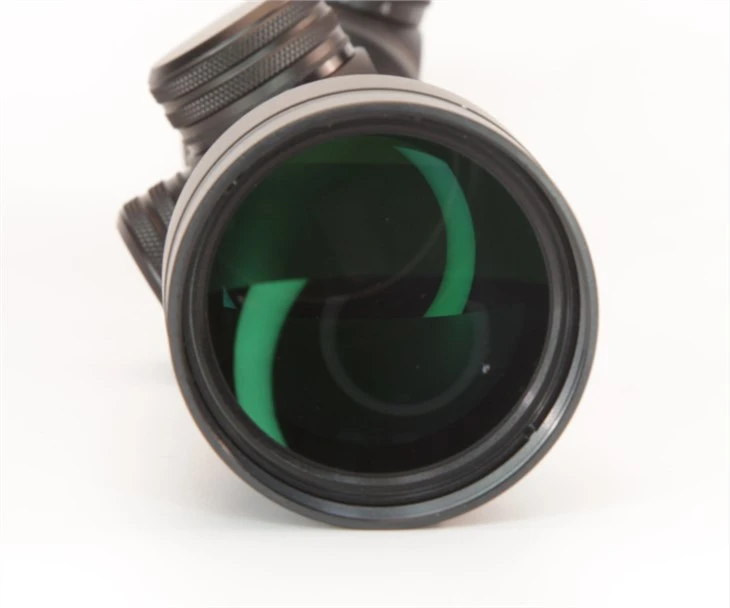
If you're in the market for a high - quality tactical rifle scope, we invite you to explore our range of products. Whether you're a professional tactical operator or a shooting enthusiast, we have the right scope for you. Contact us today to discuss your specific requirements and start the procurement process.
References
- Smith, J. (2018). The Science of Optics in Tactical Rifle Scopes. Journal of Tactical Equipment, 12(3), 45 - 52.
- Johnson, R. (2019). Impact of Lens Quality on Image Performance in Rifle Scopes. International Journal of Shooting Sports, 20(2), 67 - 74.
- Brown, A. (2020). Advances in Tactical Rifle Scope Technology. Tactical Operations Review, 15(4), 89 - 96.


