

A tactical rifle scope is a precision optical device designed to enhance a shooter's accuracy and effectiveness in various tactical situations. As a supplier of high - quality tactical rifle scopes, I am well - versed in how these remarkable instruments operate. In this blog, I'll take you through the inner workings of a tactical rifle scope, explaining the key components and principles that make it such a valuable tool for shooters.
Basic Optical Principles
At the heart of every tactical rifle scope lies the fundamental principles of optics. Light enters the scope through the objective lens, which is the large lens at the front of the scope. The objective lens has two main functions: to gather light and to form an image. The larger the diameter of the objective lens, the more light it can collect. This is crucial in low - light conditions, such as dawn or dusk, where a larger objective lens can provide a brighter and clearer image.
Once the light passes through the objective lens, it forms an inverted and reversed image inside the scope. This raw image then travels through the scope tube towards the erector lens system. The erector lens system is responsible for correcting the orientation of the image, turning it right - side up and making it the correct way around for the shooter to view. This system typically consists of multiple lenses arranged in a specific configuration to achieve the desired image correction.
Magnification
One of the most important features of a tactical rifle scope is its magnification capability. Magnification allows the shooter to bring distant targets closer, making them easier to see and aim at. Tactical rifle scopes often have variable magnification, which means the shooter can adjust the level of magnification according to the distance of the target and the shooting conditions.
The magnification adjustment is usually controlled by a ring on the scope tube. As the shooter rotates this ring, the internal lens elements within the scope move to change the focal length of the optical system. For example, a scope with a magnification range of 3 - 9x can be adjusted from a 3x magnification, which provides a wider field of view and is suitable for close - range targets or quick target acquisition, to a 9x magnification, which is ideal for long - range shooting where a more detailed view of the target is required.
Reticle
The reticle, also known as the crosshair, is a crucial part of the tactical rifle scope. It provides a reference point for the shooter to aim at the target. Tactical rifle scopes come with a variety of reticle designs, each with its own advantages.
One popular type of reticle is the Mil Dot reticle. Mil Dot Tactical Rifle Scopes use a series of small dots placed at specific intervals on the reticle. These dots can be used for range estimation, hold - over, and windage compensation. By knowing the size of the target and using the mil - dot measurements, a shooter can calculate the distance to the target and make the necessary adjustments to their aim.
Another type is the red dot reticle. Tactical Red Dot Scope offers a simple and fast - aiming solution. The red dot appears as a small illuminated dot in the center of the scope's field of view. It is extremely useful for close - range shooting and quick target acquisition, as the shooter can simply place the red dot on the target and fire.
Centerfire tactical rifle scopes may also use specialized reticles designed for specific types of shooting. Centerfire Tactical Rifle Scopes often have reticles that are optimized for long - range accuracy, with features such as bullet - drop compensation markings and windage adjustment indicators.
Adjustment Turrets
Tactical rifle scopes are equipped with adjustment turrets that allow the shooter to make precise adjustments to the point of impact of the bullet. There are typically two main turrets: the elevation turret and the windage turret.
The elevation turret is used to adjust the vertical position of the point of impact. When the shooter turns the elevation turret, it moves the erector lens system up or down, which in turn changes the angle at which the scope is aiming. This adjustment is necessary to compensate for the bullet's drop over distance. As a bullet travels through the air, it is affected by gravity, causing it to drop. By adjusting the elevation turret, the shooter can ensure that the bullet hits the target at the desired height.

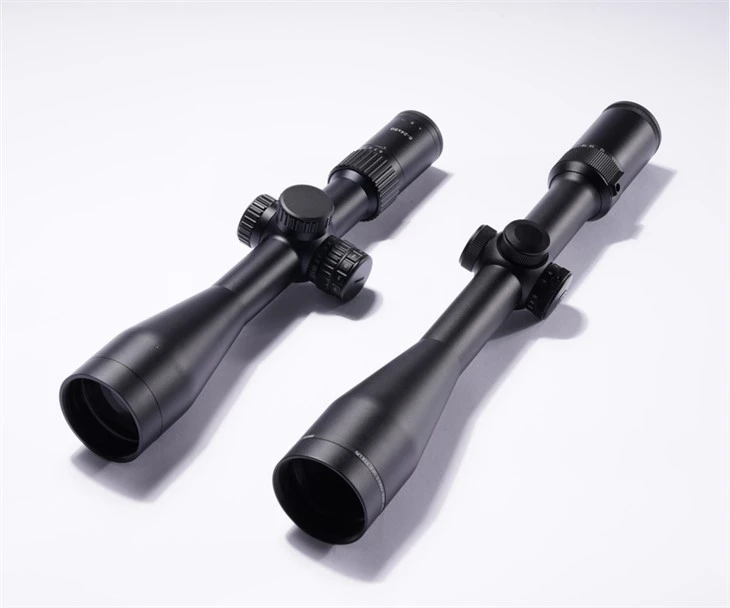
The windage turret, on the other hand, is used to adjust the horizontal position of the point of impact. Wind can push the bullet off course as it travels through the air. By turning the windage turret, the shooter can move the erector lens system left or right, compensating for the effect of the wind on the bullet's flight path.
Each click of the adjustment turrets represents a specific amount of adjustment, usually measured in minutes of angle (MOA) or milliradians (mils). For example, a scope with 1/4 MOA clicks means that each click of the turret moves the point of impact by 1/4 of a minute of angle at 100 yards. This level of precision allows the shooter to make very fine adjustments to their aim.
Parallax Adjustment
Parallax is an optical phenomenon that can cause the reticle to appear to move in relation to the target when the shooter's eye position changes. This can lead to aiming errors, especially at long ranges. To combat this, many tactical rifle scopes are equipped with a parallax adjustment feature.
The parallax adjustment is typically controlled by a side focus knob or a ring on the objective lens. By adjusting this control, the shooter can bring the target and the reticle into the same focal plane. This ensures that the reticle remains stationary relative to the target, regardless of the shooter's eye position within the scope's eye box.
Construction and Durability
In addition to its optical performance, a tactical rifle scope must be rugged and durable enough to withstand the harsh conditions of tactical use. Tactical rifle scopes are usually constructed with a strong and lightweight alloy housing, such as aluminum. This housing protects the internal optical components from damage due to impacts, vibrations, and environmental factors.
The scope is also sealed and nitrogen - filled to prevent fogging and moisture from entering the scope. This is important because moisture can damage the internal lenses and reduce the clarity of the image. The lenses themselves are often coated with anti - reflective coatings to increase light transmission and reduce glare, ensuring a clear and bright image even in bright sunlight.
Conclusion
In conclusion, a tactical rifle scope is a complex and sophisticated optical instrument that combines advanced optical principles, precision engineering, and durable construction. Its ability to magnify targets, provide accurate aiming references, and allow for precise adjustments makes it an essential tool for tactical shooters.
If you are in the market for a high - quality tactical rifle scope, I invite you to explore our range of products. Our scopes are designed and manufactured to the highest standards, offering exceptional performance and reliability in the field. Whether you are a professional law enforcement officer, a military sniper, or a recreational shooter, we have the right scope to meet your needs. Contact us today to start a discussion about your specific requirements and to learn more about how our tactical rifle scopes can enhance your shooting experience.
References
- Optics 101: Understanding Rifle Scopes. American Rifleman.
- The Science of Rifle Scope Design. Precision Shooting Magazine.
- Tactical Rifle Scope Manuals. Various manufacturers.


