

Hey there, fellow gun enthusiasts! As a supplier of top - notch tactical rifle scopes, I've been getting a lot of questions lately about how a suppressor affects the performance of these scopes. So, I thought I'd sit down and share my thoughts on this topic.
First off, let's quickly understand what a suppressor is. A suppressor, also known as a silencer, is a device attached to the muzzle of a firearm. Its main job is to reduce the noise and muzzle flash when the gun is fired. Now, when it comes to tactical rifle scopes, which are super important for accurate shooting, the addition of a suppressor can have several impacts.
1. Recoil and Scope Alignment
One of the most noticeable effects of a suppressor on a tactical rifle scope is related to recoil. A suppressor can change the way the rifle recoils. When you fire a rifle without a suppressor, the recoil force is transferred in a certain pattern. But when you attach a suppressor, it adds extra weight to the front of the rifle. This additional weight can alter the balance of the gun and how the recoil is distributed.
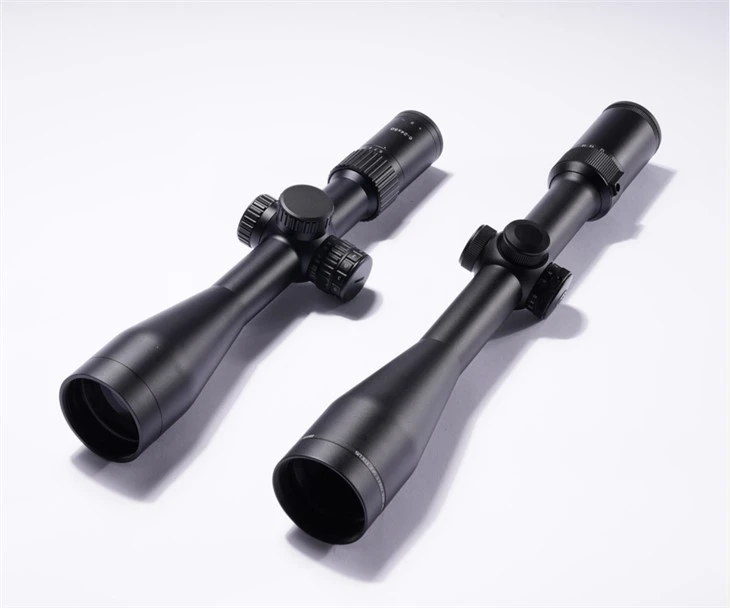

For example, if you're using a Tactical Red Dot Scope, which is great for quick target acquisition, the change in recoil might cause the scope to shift slightly. Even a small shift can affect your aim. You might find that after attaching a suppressor, your zero (the point where your scope is calibrated to hit the target) is off. You'll have to re - zero your scope to make sure you're hitting your mark accurately.
This is especially crucial for Centerfire Tactical Rifle Scopes. These scopes are often used for long - range shooting, where even the slightest misalignment can result in a significant miss. The change in recoil can cause the scope to move in its mounts, and you'll need to check and adjust it regularly, especially if you're switching between using the rifle with and without the suppressor.
2. Muzzle Blast and Scope Clarity
Another aspect to consider is the muzzle blast. When a rifle is fired, there's a powerful blast of hot gases and debris that comes out of the muzzle. A suppressor helps to reduce this blast. But sometimes, the way a suppressor redirects these gases can have an impact on the scope.
If the gases are redirected in a way that they blow towards the scope, it can cause the lens to get dirty or fog up. This is a big problem because a dirty or fogged - up scope lens can seriously affect your visibility. You won't be able to see your target clearly, which defeats the purpose of having a high - quality tactical rifle scope.
Let's say you're using an Ar Tactical Rifle Scopes. These scopes are designed for a variety of shooting situations, but if the muzzle blast from the suppressor messes up the scope lens, you're in trouble. You might need to use lens covers or anti - fog coatings to keep your scope clear.
3. Accuracy and Ballistic Changes
A suppressor can also affect the accuracy of your shots by changing the ballistic properties of the bullet. When a bullet is fired, it travels through the air in a certain trajectory. The addition of a suppressor can change the way the bullet leaves the muzzle, which in turn can affect its flight path.
For instance, the suppressor might create a small amount of backpressure. This backpressure can influence the bullet's velocity and spin rate. These changes can cause the bullet to deviate from its normal trajectory. If you're relying on your tactical rifle scope to aim accurately, these ballistic changes can be a real headache. You'll need to do some testing to figure out how the suppressor affects your specific rifle and scope combination. You might have to adjust your scope's elevation and windage settings to compensate for these changes.
4. Heat and Scope Performance
Heat is another factor to think about. When you fire a rifle, a lot of heat is generated, especially around the barrel and the muzzle. A suppressor can trap some of this heat, which can then radiate towards the scope.
Excessive heat can have a negative impact on the internal components of the scope. For example, it can cause the scope's internal lenses to expand, which can lead to distortion in your view. It can also affect the accuracy of the scope's adjustments. If you're using a high - magnification tactical rifle scope, even a small amount of heat - induced distortion can make it difficult to aim precisely.
5. Vibration and Scope Durability
The vibration caused by firing a rifle with a suppressor can also affect the scope. The suppressor adds extra weight and changes the dynamics of the rifle, which can result in different vibration patterns. These vibrations can loosen the scope's mounts over time.
If the scope mounts become loose, the scope can move around, and your zero will be off. You'll need to regularly check and tighten the mounts to ensure the scope stays in place. Also, the constant vibration can put stress on the internal components of the scope, potentially reducing its lifespan.
Tips for Using a Suppressor with a Tactical Rifle Scope
So, what can you do to minimize these negative effects and make the most of using a suppressor with your tactical rifle scope?
- Re - zero Regularly: As I mentioned earlier, the change in recoil and ballistics means you'll need to re - zero your scope after attaching or removing the suppressor. This is a must - do step to ensure accurate shooting.
- Protect Your Scope: Use lens covers to prevent dirt and debris from the muzzle blast from getting on the scope lens. Also, consider using anti - fog coatings to keep the lens clear.
- Test and Adjust: Spend some time at the range testing your rifle and scope combination with the suppressor. Figure out how it affects your accuracy and make the necessary adjustments to your scope settings.
- Check Mounts: Regularly inspect and tighten the scope mounts to prevent the scope from moving due to vibration.
If you're in the market for a new tactical rifle scope or have any questions about how a suppressor might affect your current setup, don't hesitate to reach out. We're here to help you find the best solution for your shooting needs. Whether you're a professional shooter or just someone who enjoys the sport, we've got the expertise to assist you.
Contact us to start a conversation about your requirements. We can provide you with more in - depth information and advice on choosing the right tactical rifle scope for your situation. Let's work together to make your shooting experience even better!
References
- "The Physics of Firearms and Suppressors" - A research paper on the physical principles behind firearm operation and suppressor function.
- "Tactical Rifle Scope Handbook" - A comprehensive guide on the use and maintenance of tactical rifle scopes.
- "Ballistics and Shooting Accuracy" - A book that delves into the factors affecting bullet trajectory and shooting accuracy.


