

Zeroing a tactical red dot scope is a crucial process for any shooter who wants to ensure accuracy and precision in their firearm. As a supplier of high-quality tactical red dot scopes, I understand the importance of this step and am here to guide you through the process. In this blog post, I'll share a comprehensive guide on how to zero your tactical red dot scope, along with some tips and tricks to make the process as smooth as possible.
Understanding the Basics of Zeroing
Before we dive into the actual zeroing process, it's important to understand what zeroing means. Zeroing a red dot scope involves adjusting the scope so that the point where the red dot appears on the scope aligns with the point where the bullet hits the target at a specific distance. This alignment ensures that when you aim at a target using the red dot, the bullet will hit exactly where you're aiming.
Tools You'll Need
To zero your tactical red dot scope, you'll need the following tools:
- Firearm: Obviously, you'll need a firearm that the red dot scope is mounted on. Make sure the firearm is clean, in good working condition, and that you're using the same type of ammunition you plan to use for shooting.
- Ammunition: Have an adequate supply of ammunition. It's recommended to have at least 20 - 30 rounds for the zeroing process.
- Target: A suitable target is essential. You can use paper targets with a clear center or bullseye. Place the target at a known distance, typically 25 yards for most initial zeroing.
- Screwdriver or Allen Wrench: Most red dot scopes come with adjustment screws that require a specific type of screwdriver or Allen wrench. Make sure you have the correct tool for your scope.
- Rest or Bipod: Using a rest or bipod to steady your firearm can significantly improve accuracy during the zeroing process. It helps reduce human error and ensures more consistent shots.
Step-by-Step Zeroing Process
Step 1: Mount the Red Dot Scope
First, you need to securely mount the red dot scope on your firearm. Follow the manufacturer's instructions carefully to ensure proper installation. Make sure the scope is level and tightened properly to prevent any movement during shooting.
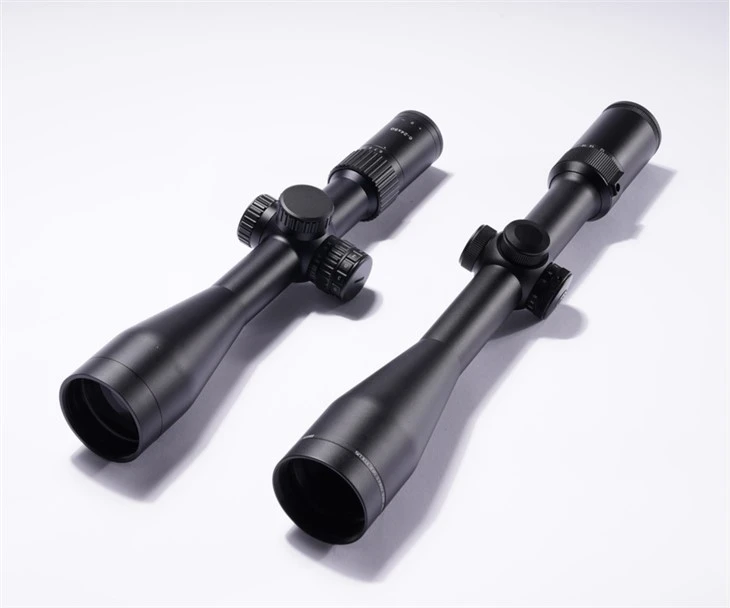
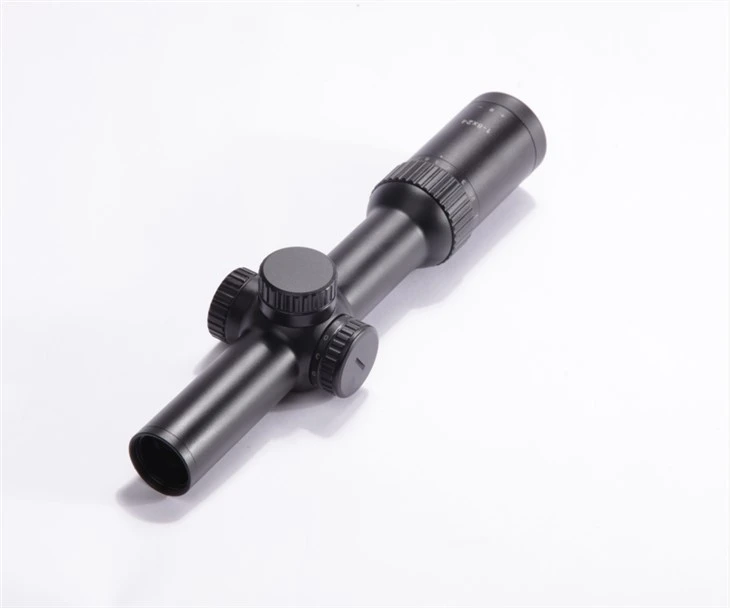
Step 2: Set Up Your Shooting Area
Find a safe and suitable shooting area with a clear line of sight to your target. Set up your target at the desired distance (usually 25 yards). Use a rest or bipod to stabilize your firearm. This will help you make more accurate shots and reduce the influence of human error.
Step 3: Take Initial Shots
Load your firearm with ammunition and take a few initial shots at the target. Aim directly at the center of the target using the red dot as your aiming point. After firing, examine the target to see where the bullets hit. If the bullets are hitting the target but not in the center, you'll need to make adjustments to the red dot scope.
Step 4: Adjust the Windage and Elevation
Most red dot scopes have two adjustment knobs: one for windage (horizontal adjustment) and one for elevation (vertical adjustment). Each click of these knobs typically moves the point of impact a certain distance at a specific range. Refer to your scope's manual to determine how much each click moves the point of impact.
- Windage Adjustment: If your shots are hitting to the left or right of the target center, you need to adjust the windage. Turn the windage adjustment knob in the direction you want the point of impact to move. For example, if your shots are hitting to the left, turn the windage knob clockwise to move the point of impact to the right.
- Elevation Adjustment: If your shots are hitting above or below the target center, adjust the elevation. Turn the elevation adjustment knob in the appropriate direction. If your shots are hitting below the target, turn the elevation knob clockwise to move the point of impact up.
Step 5: Take Follow-Up Shots and Make Further Adjustments
After making an adjustment, take a few more shots at the target. Examine the new impact points and make additional adjustments if necessary. Repeat this process until the red dot aligns with the point of impact at the target distance. It may take several rounds of shooting and adjusting to achieve a perfect zero.
Step 6: Confirm the Zero at Different Distances
Once you've zeroed your red dot scope at the initial distance (usually 25 yards), it's a good idea to confirm the zero at other distances. Move your target to different ranges, such as 50 yards or 100 yards, and take a few shots at each distance. Make minor adjustments if needed to ensure accuracy at various ranges.
Tips and Tricks for Zeroing
- Use Consistent Shooting Techniques: Try to use the same shooting stance, grip, and breathing technique for each shot. Consistency is key to accurate zeroing.
- Check for Loose Mounting: Periodically check the mounting of your red dot scope to make sure it hasn't come loose during shooting. A loose scope can cause the zero to shift.
- Take Your Time: Zeroing a red dot scope is not a rushed process. Take your time to make accurate adjustments and ensure that the scope is properly zeroed.
Our Range of Tactical Red Dot Scopes
As a leading supplier of tactical red dot scopes, we offer a wide range of high-quality products to meet the needs of different shooters. Our scopes are designed with precision and durability in mind, ensuring reliable performance in various shooting conditions.
- Tactical Rifle Scopes with Illumiated Reticle: These scopes feature an illuminated reticle, which provides better visibility in low-light conditions. The illuminated reticle allows for quick and accurate target acquisition, making them ideal for tactical applications.
- M4 Tactical Rifle Scopes: Specifically designed for M4 rifles, these scopes offer excellent performance and compatibility. They are built to withstand the rigors of tactical use and provide clear and precise aiming.
- Extremely Wide Angle FFP SFP Tactical Rifle Scopes: Our wide-angle scopes offer a broader field of view, allowing for better situational awareness. Whether you're in a close-quarters combat situation or shooting at long distances, these scopes provide a clear and unobstructed view of the target.
Contact Us for Procurement
If you're interested in purchasing our tactical red dot scopes or have any questions about zeroing or our products, we'd love to hear from you. Our team of experts is ready to assist you with your procurement needs and provide you with the best solutions for your shooting requirements.
References
- "The Complete Guide to Rifle Scopes" by John Smith
- "Tactical Shooting Techniques" by Mark Johnson


