

Figuring out if a target rifle scope will fit your rifle can be a bit of a head - scratcher, especially if you're new to the world of shooting. But don't worry! As a target rifle scope supplier, I've dealt with this question countless times, and I'm here to break it down for you.
Understanding the Basics of Rifle and Scope Compatibility
First off, let's talk about the physical fit. The most obvious part is the mounting system. Rifles come with different types of mounting surfaces. Some have a Picatinny rail, which is super common these days. It's that long, grooved rail on top of the rifle. Most modern target rifle scopes are designed to fit Picatinny rails using scope rings. These rings clamp around the scope tube and then attach to the rail.
If your rifle has a Weaver rail, it's a bit similar to the Picatinny, but there are some differences in the dimensions. The grooves on a Weaver rail are shallower and narrower. Some scopes are compatible with both, but it's always a good idea to double - check.
There are also rifles with traditional dovetail mounts. These are older - style mounts that have a V - shaped groove. For these, you'll need scope mounts specifically designed for dovetail rails. You can find adapter rings that can convert a dovetail mount into a Picatinny - style setup, but that adds an extra step and some cost.
The Importance of Scope Tube Diameter
Another factor to consider is the scope tube diameter. The most common tube diameters for target rifle scopes are 1 - inch and 30mm. The tube diameter affects the overall strength and the internal adjustments of the scope. A 30mm tube generally allows for more internal adjustment range, which can be great for long - range shooting.
Your rifle's mounting system needs to be able to accommodate the scope tube diameter. If you have a set of scope rings designed for a 1 - inch tube and you try to mount a 30mm scope, it just won't work. You'll need to either get new scope rings or, in some cases, a different mounting base that can hold the larger tube.
Eye Relief and Stock Design
Eye relief is the distance between your eye and the rear of the scope when you have a full field of view. Different rifles have different stock designs, and this can impact the ideal eye relief for your scope. For example, if you have a rifle with a very straight stock, you might need a scope with a longer eye relief to avoid getting smacked in the eye when the rifle recoils.
On the other hand, a rifle with a more curved or angled stock might allow for a shorter eye relief scope. When choosing a scope, think about how you hold your rifle and what feels comfortable for you. You don't want to be constantly adjusting your head position to get a clear view through the scope.
Magnification and the Rifle's Purpose
The magnification of the scope should also match the rifle's intended use. If you're using your rifle for short - range target shooting, say within 100 yards, you might not need a high - powered scope. A scope with a magnification of 4x - 12x could be more than enough.
However, if you're into long - range shooting, like 300 yards or more, you'll probably want a scope with a higher magnification, like 10x - 40x. But keep in mind that higher magnification scopes can be heavier and more expensive.
Parallax Adjustment
Parallax can be a real pain in the butt when shooting. It's an optical illusion that makes the target appear to move when you move your head. This can throw off your aim, especially at longer distances. That's where parallax adjustment comes in.

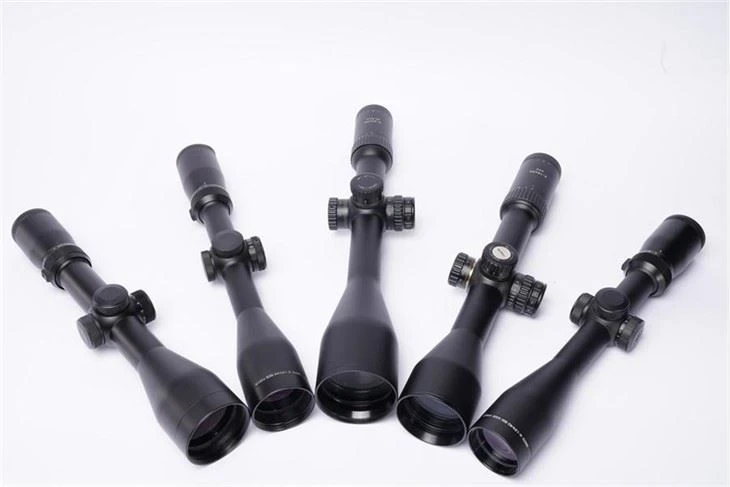
Adjustable Parallax Target Rifle Scopes are a great option for shooters who want to eliminate parallax error. These scopes allow you to adjust the focus so that the target stays in place no matter how you move your head. This is crucial for accurate long - range shooting.
Reticle Style
The reticle is the crosshair or aiming pattern inside the scope. Different reticles are better suited for different types of shooting. Fine Reticle Target Rifle Scopes are great for precision shooting at small targets. The fine lines of the reticle don't cover up too much of the target, allowing for more accurate aiming.
There are also reticles with built - in rangefinding features or hold - over points for different distances. These can be very useful for long - range shooting, but they might be overkill if you're just shooting at close - range targets.
Caliber and Recoil
The caliber of your rifle affects the recoil, and the scope needs to be able to handle it. A high - caliber rifle, like a.308 Winchester or a.338 Lapua Magnum, produces a lot of recoil. You'll need a scope that's built to withstand that kind of force.
Cheaper scopes might not hold up well under heavy recoil. They could come out of zero (lose their accuracy) or even get damaged. Make sure to choose a scope that's rated for the caliber of your rifle. For example, 22lr AO Target Scopes are designed for the low - recoil.22 LR caliber and might not be suitable for a high - powered rifle.
Asking for Help
If you're still not sure if a particular scope will fit your rifle, don't hesitate to ask for help. You can reach out to a gunsmith or an experienced shooter. As a target rifle scope supplier, I'm also here to assist you. I've seen all kinds of rifles and scopes, and I can give you personalized advice based on your specific situation.
Wrapping It Up and Reaching Out
Figuring out if a target rifle scope will fit your rifle involves considering multiple factors, from the mounting system to the scope's features. By taking the time to understand these aspects, you can make an informed decision and end up with a scope that works perfectly with your rifle.
If you're in the market for a new target rifle scope and need more guidance, or if you have any questions about compatibility, feel free to contact me. I'm happy to have a chat and help you find the right scope for your needs. Whether you're a beginner or a seasoned shooter, I've got the knowledge and the products to get you set up for success.
References
- "The Complete Guide to Rifle Scopes" by John Smith
- "Rifle Shooting Techniques" by Mark Johnson
- Various industry publications on firearms and optics


