

Are there any restrictions on using a tactical rifle scope? That's a question I get asked a lot as a supplier of [link text="Tactical Red Dot Scope" url="/rifle-scopes/tactical-rifle-scope/tactical-red-dot-scope.html"], [link text="Centerfire Tactical Rifle Scopes" url="/rifle-scopes/tactical-rifle-scope/centerfire-tactical-rifle-scopes.html"], and [link text="Extremely Wide Angle FFP SFP Tactical Rifle Scopes" url="/rifle-scopes/tactical-rifle-scope/extremely-wide-angle-ffp-sfp-tactical-rifle.html"]. It's a complex topic, and the answer isn't always straightforward. In this blog post, I'll break down the different types of restrictions you might encounter when using a tactical rifle scope.
First off, let's talk about legal restrictions. Laws regarding firearm accessories, including tactical rifle scopes, vary widely from country to country and even from state to state within the United States. In some places, there are no specific laws restricting the use of tactical rifle scopes as long as the firearm itself is legally owned. However, other areas have strict regulations.
For example, in certain European countries, there are limits on the magnification power of scopes that can be used on firearms. This is often in place to prevent excessive long - range shooting, which could pose a safety risk. In some cases, high - powered scopes might be considered "military - style" accessories, and their use or possession could be restricted.
In the United States, while the Second Amendment protects the right to keep and bear arms, there are still regulations at the state level. Some states have banned the use of certain types of scopes in combination with specific firearms. For instance, scopes with extremely high magnification might be restricted when used on semi - automatic rifles in some areas. It's crucial for anyone thinking about using a tactical rifle scope to check their local laws thoroughly. Ignoring these laws can lead to serious legal consequences, including fines and even imprisonment.
Another type of restriction is related to the environment in which you're using the scope. If you're using a tactical rifle scope for hunting, there are often rules set by wildlife management agencies. These rules are designed to ensure fair chase and the conservation of wildlife.
Many hunting areas have restrictions on the type of equipment that can be used. For example, some places might not allow the use of scopes with night - vision capabilities during daylight hunting hours. This is to prevent hunters from having an unfair advantage over the animals. Additionally, some areas have limitations on the maximum magnification of scopes for hunting. This is to keep the hunting experience more challenging and to promote ethical hunting practices.
If you're using a tactical rifle scope for shooting at a range, the range itself might have its own set of rules. Some ranges limit the use of high - powered scopes because they can create safety issues. For example, a scope with very high magnification can make it difficult for range safety officers to monitor the shooter's actions accurately. Also, ranges might have restrictions on the type of reticles allowed. Some reticles, like those designed for long - range sniping, might not be permitted on certain ranges due to the potential for misuse.

Now, let's talk about the technical limitations of using a tactical rifle scope. One of the main technical restrictions is related to the compatibility of the scope with the firearm. Not all scopes are suitable for every type of rifle.
The caliber of the firearm is a crucial factor. A scope designed for a low - caliber rifle might not be able to withstand the recoil of a high - caliber firearm. Using an incompatible scope can lead to damage to the scope and even affect the accuracy of your shots. For example, a scope designed for a.22 caliber rifle won't be able to handle the much stronger recoil of a.308 Winchester rifle.
Another technical limitation is the mounting system. Different rifles have different mounting systems, and the scope needs to be compatible with the rifle's mounting platform. If the scope doesn't fit properly on the rifle, it can cause alignment issues, which will negatively impact the accuracy of your shooting. You might end up with a scope that is constantly shifting or not zeroed correctly, making it difficult to hit your target.
The environmental conditions can also pose restrictions on using a tactical rifle scope. Extreme temperatures, high humidity, and heavy rain or snow can all affect the performance of the scope.
In cold weather, the internal components of the scope can contract, which might cause the scope to lose its zero. High humidity can lead to fogging inside the scope, making it difficult to see through. And in heavy rain or snow, the lenses can get wet, obstructing your view. Some scopes are designed to be more weather - resistant than others, but even the best scopes have their limits in extreme conditions.
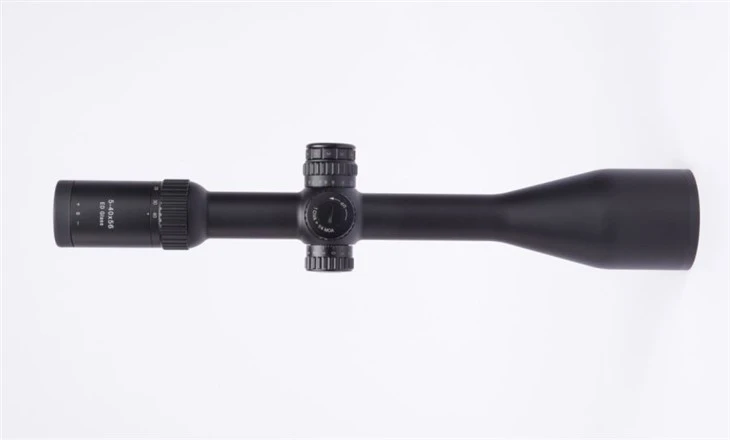
When it comes to using a tactical rifle scope for tactical operations, there are additional restrictions. Tactical operations often involve strict rules of engagement. The use of a scope might be limited based on the mission requirements.
For example, in a hostage - rescue situation, using a high - powered scope might not be appropriate because of the risk of collateral damage. The operator needs to have a clear view of the target and the surrounding area, and a scope with too much magnification might narrow the field of view too much. Additionally, in some tactical scenarios, the use of scopes with certain features, like illuminated reticles, might be restricted to avoid giving away the operator's position.

As a supplier of tactical rifle scopes, I understand the importance of providing customers with the right information. Before you purchase a tactical rifle scope, it's essential to do your research. Make sure you're aware of all the legal, environmental, and technical restrictions that might apply to your situation.
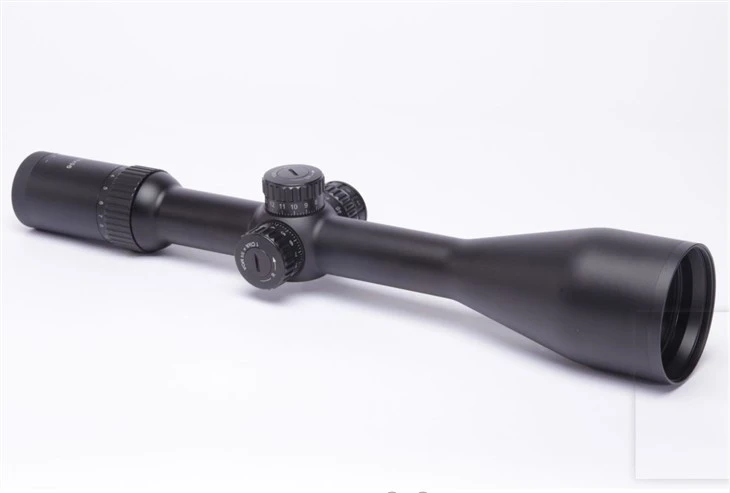
If you're unsure about any of these restrictions, don't hesitate to reach out to us. We're here to help you make an informed decision about which tactical rifle scope is right for you. Whether you're a hunter, a shooter at a range, or involved in tactical operations, we can provide you with the guidance you need.
We offer a wide range of [link text="Tactical Red Dot Scope" url="/rifle-scopes/tactical-rifle-scope/tactical-red-dot-scope.html"], [link text="Centerfire Tactical Rifle Scopes" url="/rifle-scopes/tactical-rifle-scope/centerfire-tactical-rifle-scopes.html"], and [link text="Extremely Wide Angle FFP SFP Tactical Rifle Scopes" url="/rifle-scopes/tactical-rifle-scope/extremely-wide-angle-ffp-sfp-tactical-rifle.html"], each designed to meet different needs and comply with various regulations. If you're interested in purchasing a tactical rifle scope or have any questions, feel free to contact us. We're ready to assist you in finding the perfect scope for your requirements.
References
- Various state and federal firearm laws in the United States
- Wildlife management agency regulations for hunting
- Range safety rules from different shooting ranges
- Technical specifications of tactical rifle scopes provided by manufacturers


