

Are AR Tactical Rifle Scopes Easy to Install?
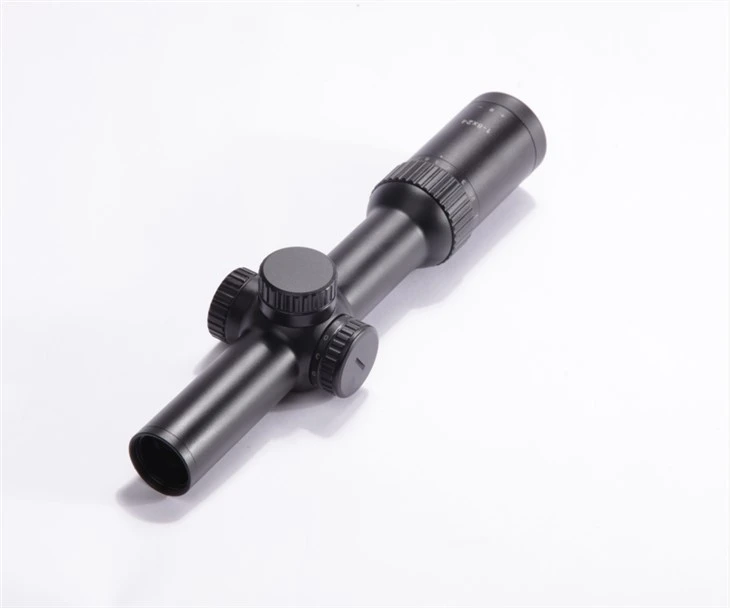
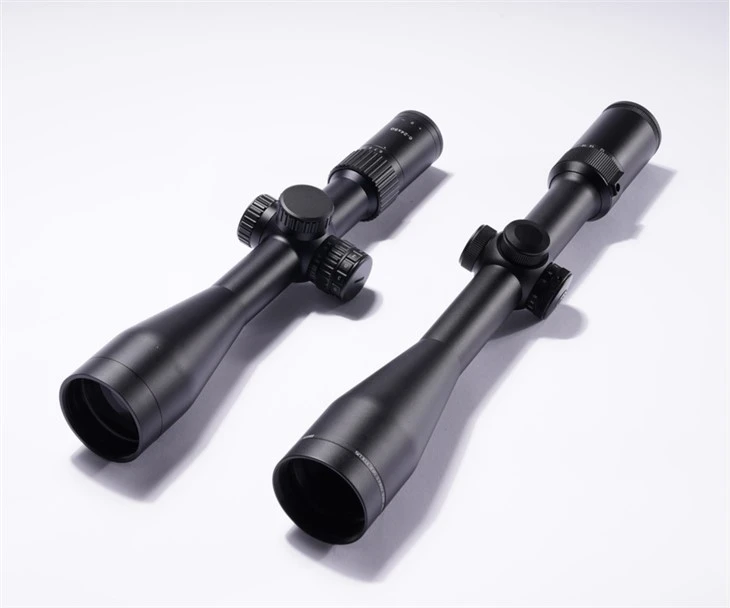
As a supplier of AR Tactical Rifle Scopes, I've encountered numerous inquiries from firearm enthusiasts and professionals alike about the ease of installing these scopes. In this blog, I'll delve into the intricacies of AR tactical rifle scope installation, exploring the factors that determine its simplicity or complexity.
Understanding the Basics of AR Tactical Rifle Scopes
Before we discuss installation, it's essential to understand what AR tactical rifle scopes are. These scopes are specifically designed for AR - style rifles, which are popular among sport shooters, hunters, and law - enforcement personnel. They come in various types, such as Tactical Rifle Scopes with Illumiated Reticle, Micro Red Dot Tactical Scopes, and Pistol Tactical Rifle Scopes. Each type offers unique features and benefits, but the installation process shares some common elements.
Tools Required for Installation
The first step in determining if the installation is easy is to look at the tools you need. For most AR tactical rifle scope installations, you'll need a few basic tools:
- Torque Wrench: This is crucial for tightening the scope rings to the correct torque specification. Over - tightening can damage the scope or the rifle, while under - tightening can cause the scope to shift during use.
- Allen Wrenches: These are used to remove and install the screws on the scope rings and the rifle's rail. The sizes of the Allen wrenches will depend on the specific scope and rifle you have.
- Cleaning Materials: Before installing the scope, it's important to clean the rifle's rail and the bottom of the scope rings to ensure a proper fit and prevent dirt or debris from affecting the installation.
If you already have these tools on hand, the installation becomes more accessible. However, if you need to purchase them, it adds an extra step and cost to the process.
Step - by - Step Installation Process
- Prepare the Rifle: Start by ensuring your rifle is unloaded. Remove the magazine and check the chamber to make sure there are no rounds present. This is a safety precaution that should never be skipped.
- Clean the Rail: Use a cleaning solvent and a clean cloth to wipe down the rifle's Picatinny or Weaver rail. This will remove any dirt, oil, or debris that could interfere with the scope ring's attachment.
- Mount the Scope Rings: Place the bottom halves of the scope rings on the rail. Align them with the front and rear of the scope's tube. Use the Allen wrenches to loosely attach the rings to the rail. Make sure the rings are parallel to each other and centered on the rail.
- Install the Scope: Carefully place the scope into the bottom halves of the scope rings. Ensure that the scope is level and centered within the rings. Some scopes come with built - in leveling indicators, which can be very helpful at this stage.
- Attach the Top Halves of the Scope Rings: Place the top halves of the scope rings over the scope and align them with the bottom halves. Use the Allen wrenches to start tightening the screws, but only do so lightly at first.
- Torque the Screws: Use the torque wrench to tighten the screws on the scope rings to the manufacturer's recommended torque specification. This step requires precision, as incorrect torque can lead to problems later on.
- Check the Alignment: Look through the scope and check if the crosshairs are level. You may need to make minor adjustments to the scope's position within the rings to achieve proper alignment.
Factors Affecting Ease of Installation
- Experience Level: For someone who has installed scopes before, the process is likely to be relatively easy. They are familiar with the tools, the steps, and how to troubleshoot common issues. On the other hand, a novice may find it more challenging, especially when it comes to achieving proper alignment and torque.
- Scope Design: Some scopes are designed with user - friendly features that make installation easier. For example, scopes with quick - detach mounts can be installed and removed more rapidly than those with traditional mounts. Additionally, scopes with clear instructions and well - marked alignment points are also more straightforward to install.
- Rifle Compatibility: The compatibility between the scope and the rifle is crucial. If the scope is not designed to fit the rifle's rail or if there are any dimensional mismatches, the installation can become difficult. It's important to ensure that you choose a scope that is specifically designed for your AR - style rifle.
Advantages of Easy Installation
If AR tactical rifle scopes are easy to install, it offers several benefits:
- Time - Saving: You can quickly mount or dismount the scope as needed, which is useful for hunters who may need to transport their rifles in a smaller case or for shooters who want to switch between different scopes for various shooting scenarios.
- Cost - Effective: Easy installation means you can do it yourself without having to pay a professional gunsmith. This saves you money on installation fees.
- Customization: You can easily experiment with different scopes to find the one that best suits your needs. If installation is difficult, you may be less likely to try out different options.
Conclusion
In general, AR tactical rifle scopes can be relatively easy to install if you have the right tools, follow the instructions carefully, and have a basic understanding of the process. However, several factors can affect the ease of installation, such as your experience level, the scope's design, and the rifle's compatibility.
If you're interested in purchasing AR tactical rifle scopes and want to learn more about the installation process or have any questions about our products, feel free to reach out to us. We're here to assist you with your procurement needs and ensure you get the best scope for your rifle.
References
- Firearms Industry Handbook
- Scope Manufacturer's Installation Guides


